

As the impacts of extreme weather events (EWEs) continue to affect communities across Africa, identifying practical, locally relevant solutions is just as important as understanding the challenges themselves. This is the focus of the WEMA study's Brainstorming Workshops, a key public engagement activity that brings together researchers, community representatives, policymakers and civil society to co-design interventions that respond to the mental health impacts of climate change.
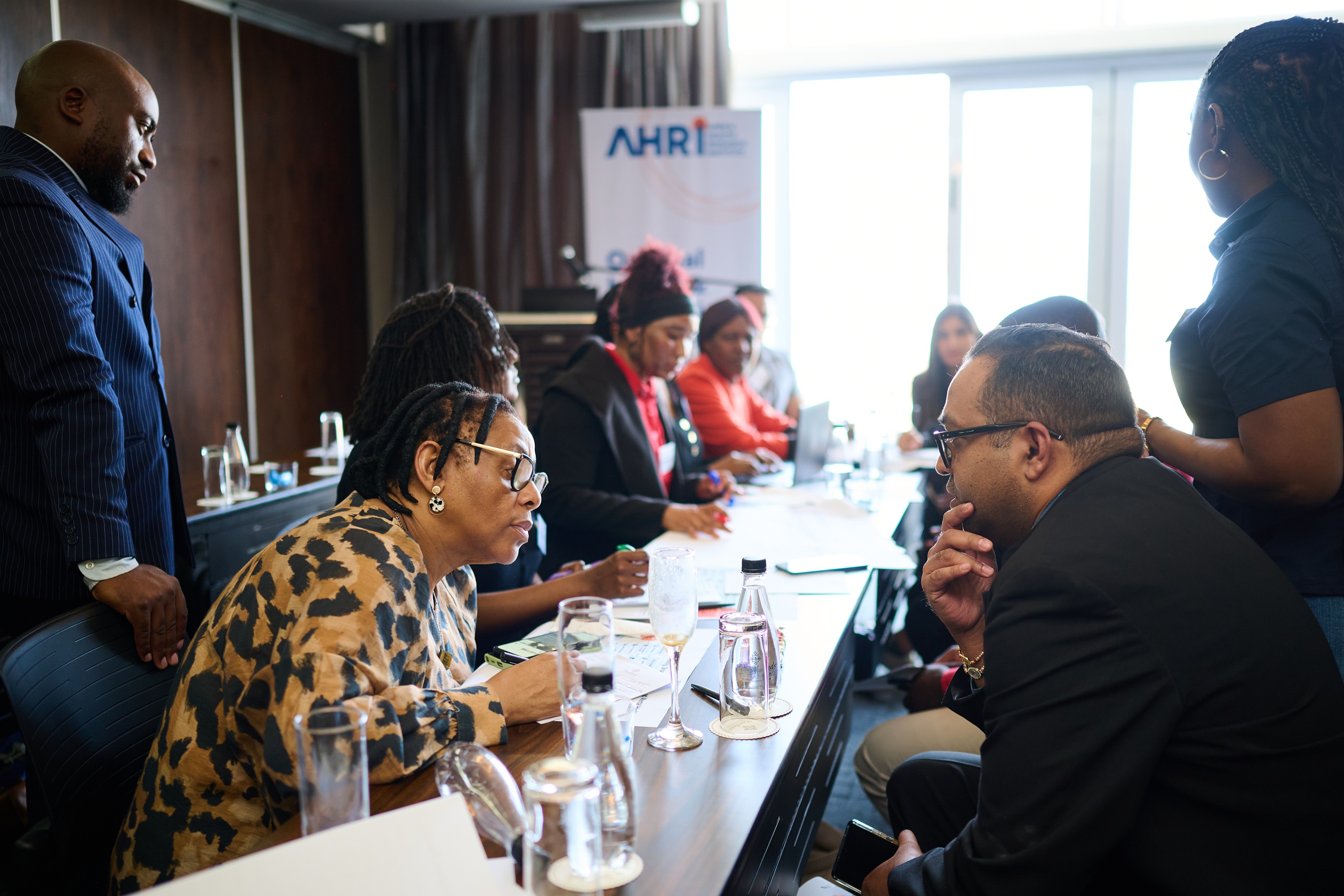
The Brainstorming Workshop forms part of Work Package 3 (WP3.2) of the WEMA study, which focuses on engaging community, policy and civil society stakeholders in interpreting research findings and developing context-specific interventions. Building on the evidence gathered during earlier phases of the study, participants review refined Causal Loop Diagrams (CLDs) that map the complex pathways linking extreme weather events to common mental disorders. These diagrams provide a foundation for collaborative discussions, enabling stakeholders to identify practical interventions that reflect local realities, priorities and existing systems.
By bringing together diverse voices and expertise, the workshops ensure that the solutions generated are informed not only by scientific evidence but also by lived experience and the knowledge of those working closest to affected communities.
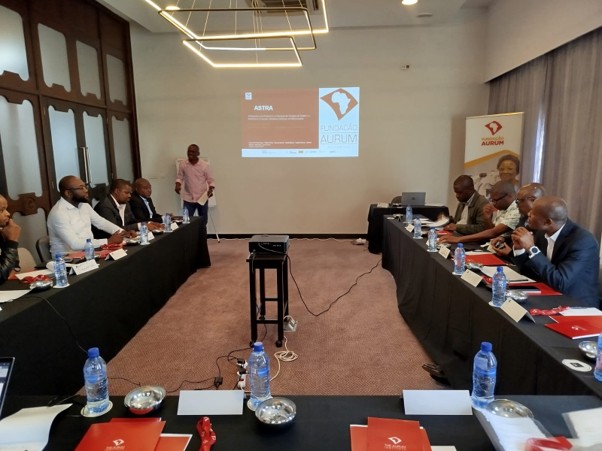
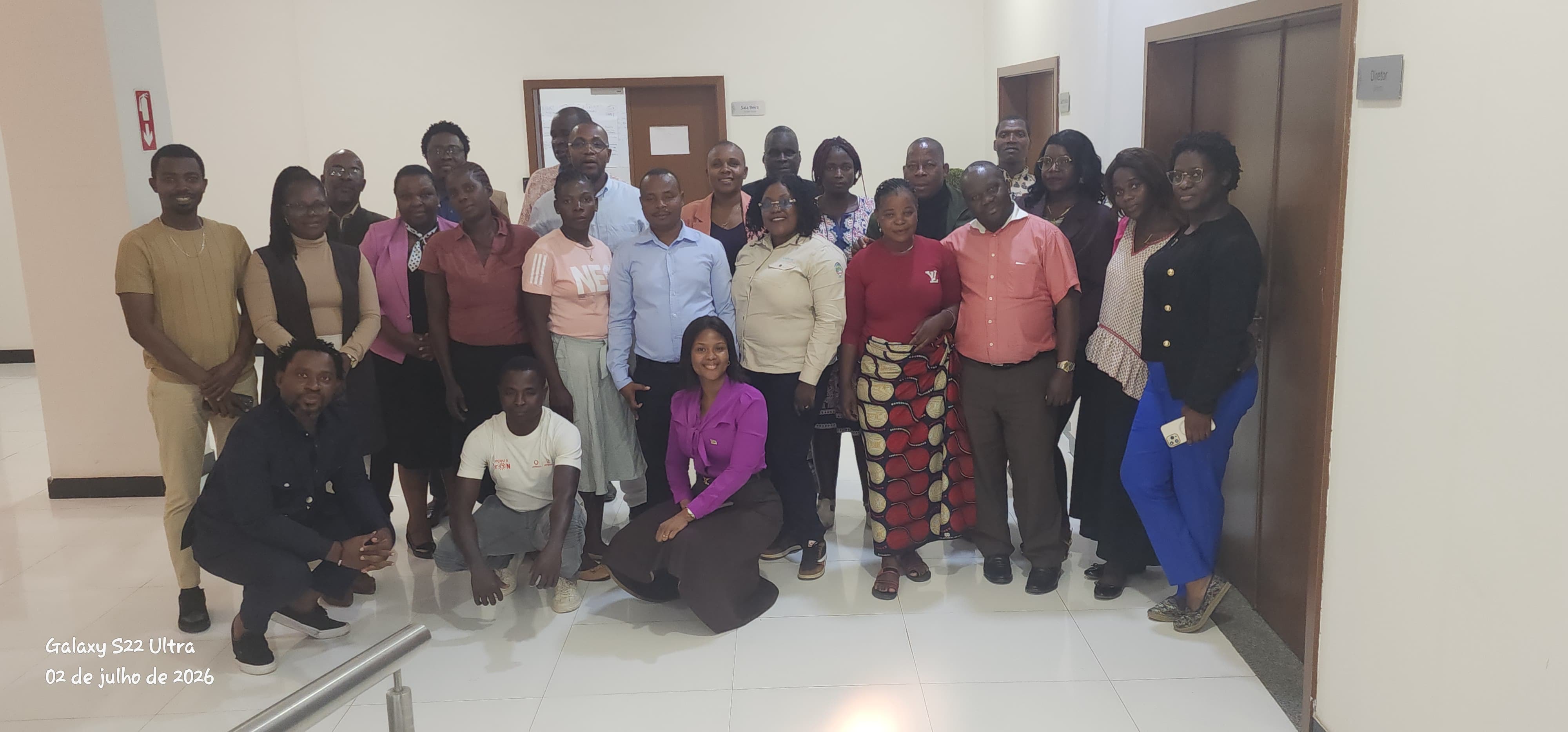
On 2 July 2026, the WEMA Project successfully hosted its Brainstorming Workshop in Beira, Mozambique, bringing together a broad range of stakeholders from across government, academia and civil society.
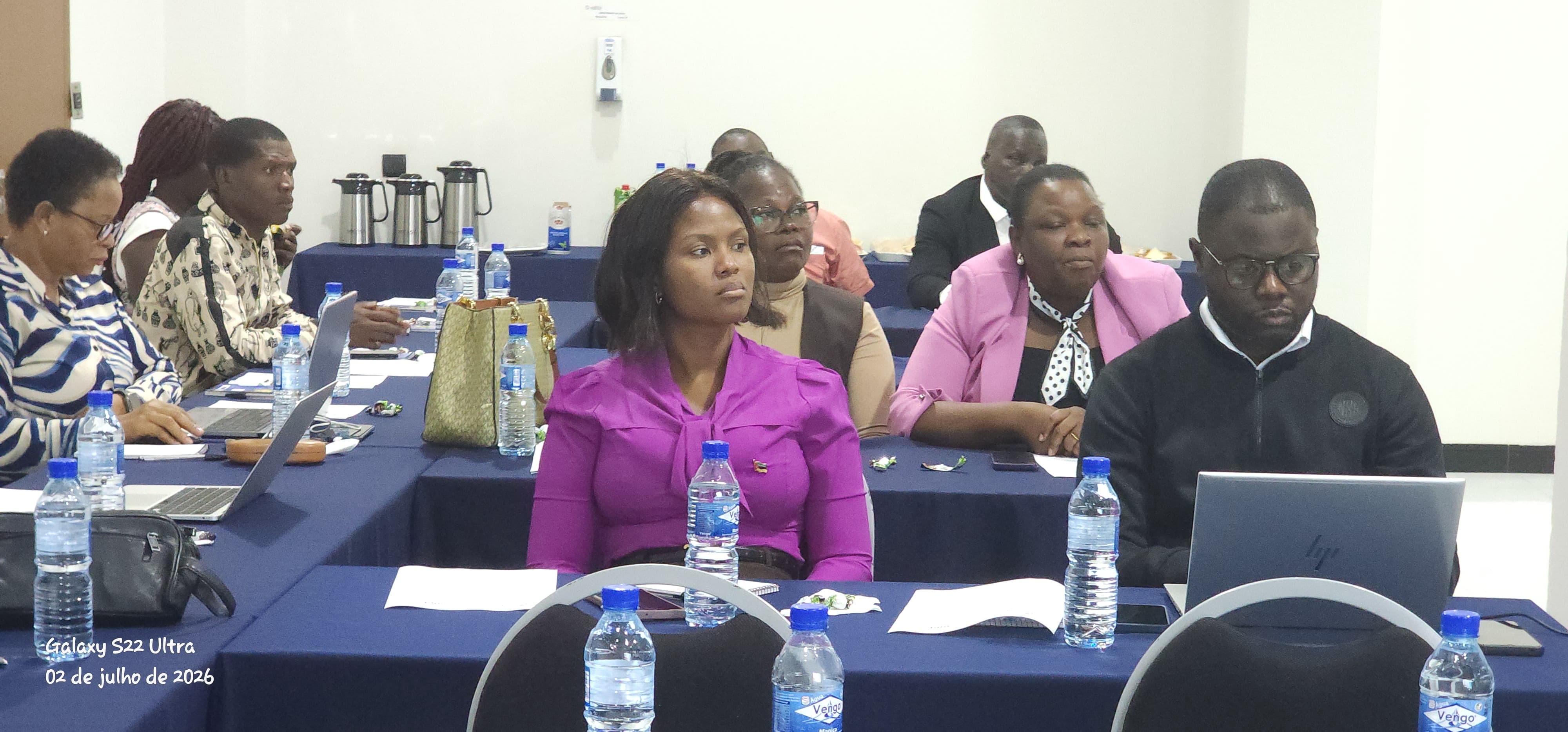
Participants included representatives from the Provincial Directorates of Education, Health, and Gender, Women and Social Action; the National Institute for Disaster Management; the Beira Municipal Council; civil society organisations; and several universities based in Beira, including the Catholic University of Mozambique (UCM), Licungo University (UL), Zambeze University (UZ), and Jean Piaget University (UJP).
The workshop provided an important platform for participants to reflect on the study's findings, contribute local knowledge and collaboratively identify interventions that could help reduce the mental health impacts of extreme weather events in their communities. The recommendations and insights generated will play an important role in strengthening the WEMA study and informing the next phase of implementation.
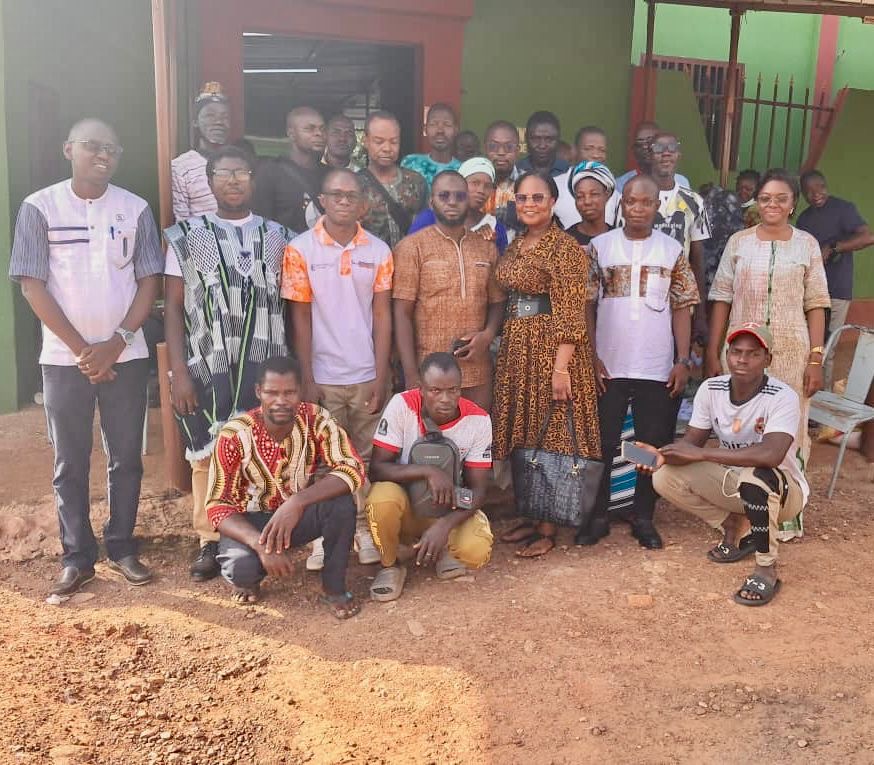
The Burkina Faso study site also recently concluded its Brainstorming Workshop, marking another important milestone in the WEMA project's public engagement activities.

The workshop brought together local stakeholders to discuss the evidence generated through the study and explore context-specific interventions that could strengthen community resilience to the mental health impacts of extreme weather events. Through collaborative discussions, participants contributed valuable perspectives that will help shape locally appropriate responses and feed into the broader cross-country learning taking place within the WEMA study.
The Brainstorming Workshops demonstrate the value of participatory engagement in climate and health research. By creating spaces where researchers, decision-makers, community representatives and civil society organisations can jointly interpret evidence and develop solutions, the WEMA study is helping ensure that future interventions are both evidence-informed and grounded in local realities.
As workshops continue across the remaining study sites, the interventions identified in each country will be shared across the WEMA consortium, contributing to a growing body of knowledge on how African communities can better respond to the mental health impacts of extreme weather events.