

In South Africa, two days of stakeholder engagement brought together community voices, research evidence and policy perspectives to explore how communities and health systems can become more resilient to extreme weather.
What happens when research moves beyond the findings and into a room with the people who can help shape what happens next?
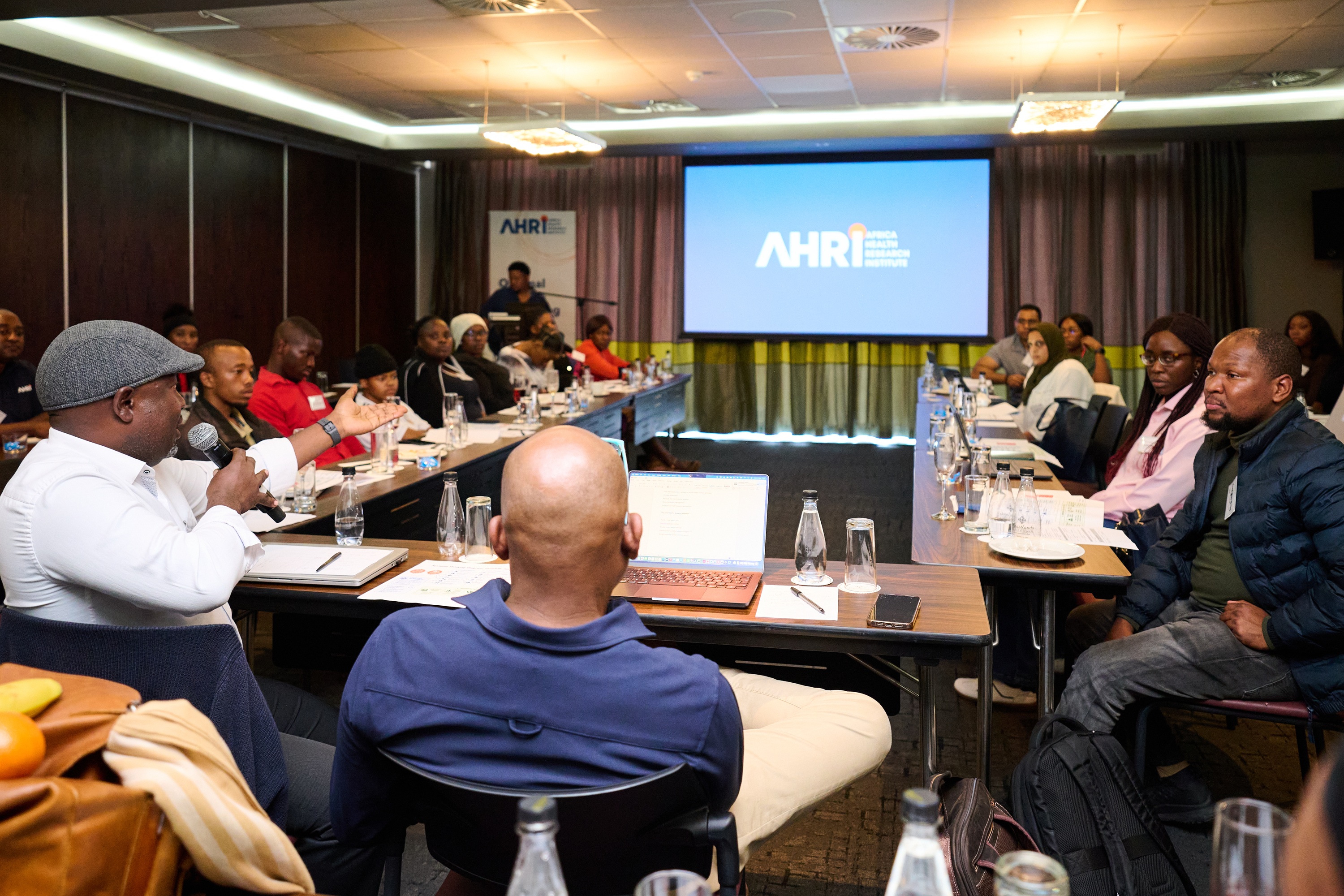
That was the focus of two days of stakeholder engagement hosted by the Africa Health Research Institute (AHRI) on 19 and 20 August 2026, bringing together community members, community-based co-researchers, researchers, policymakers, government representatives, civil society and NGO partners around the WEMA and ASTRA climate and health studies.
Across the two days, participants reflected on lived experience and research evidence, challenged assumptions, identified gaps and worked together to prioritise practical interventions, with a shared focus on moving from evidence towards action.
The day began with community perspectives on the lived experiences of flooding and its effects on mental health. Through WEMA's participatory and arts-based approach, community members have been able to communicate their experiences of extreme weather and its impacts, bringing lived experience into the research process.
Participants then explored WEMA's findings and systems insights before turning to a central question: What can we do about it?
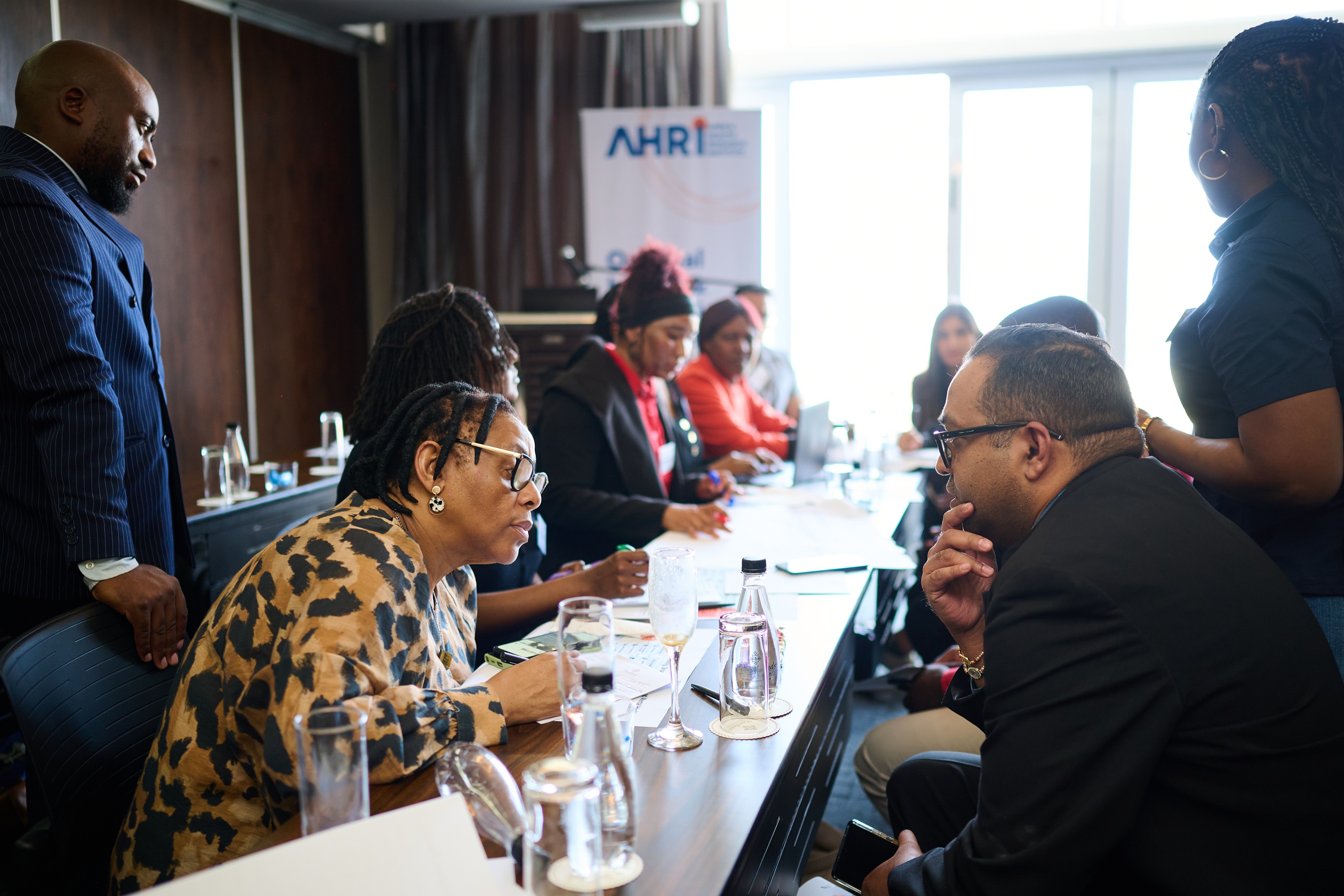
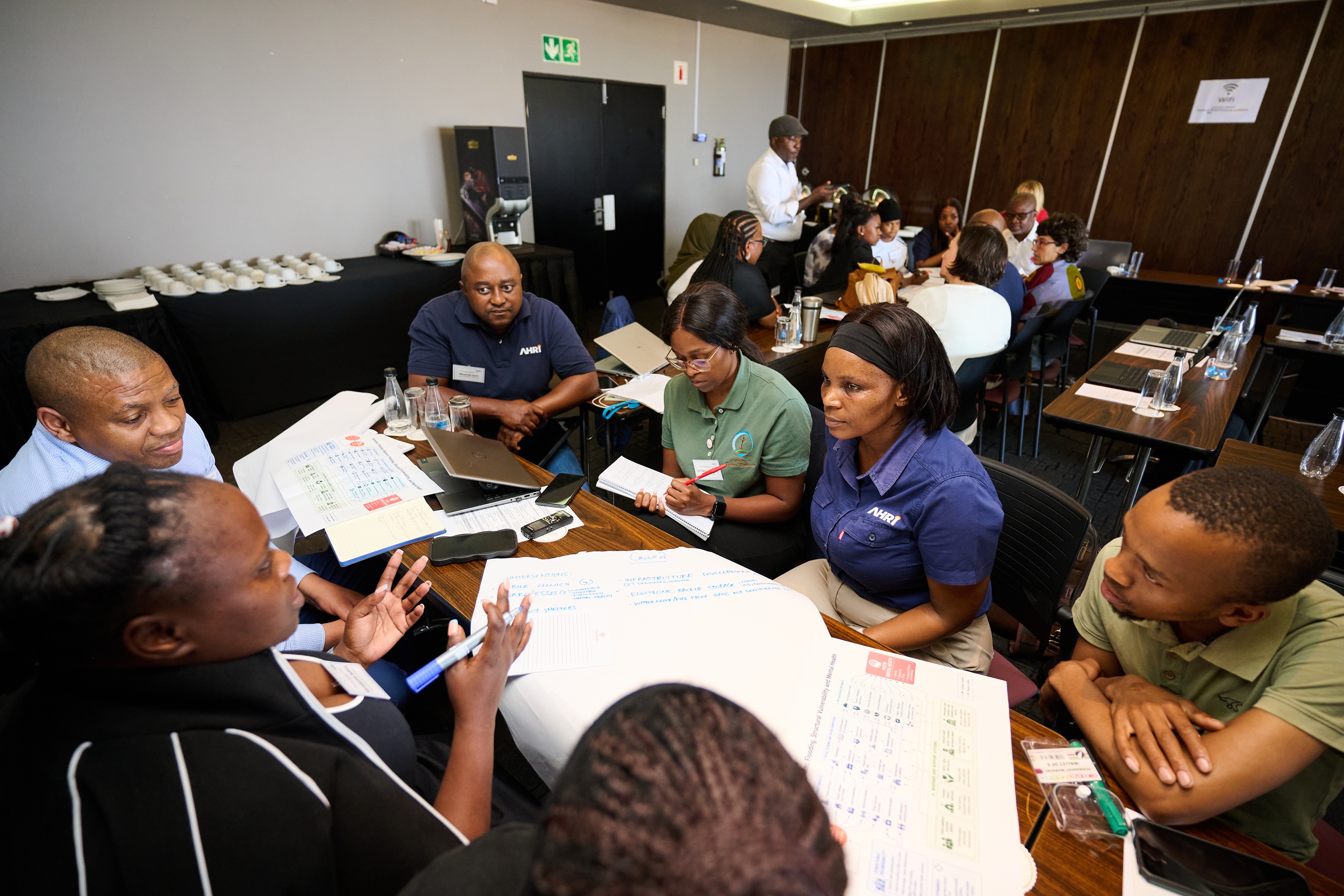
Through facilitated group discussions, stakeholders worked together to identify and prioritise potential interventions to strengthen mental health among vulnerable communities in the context of extreme weather.
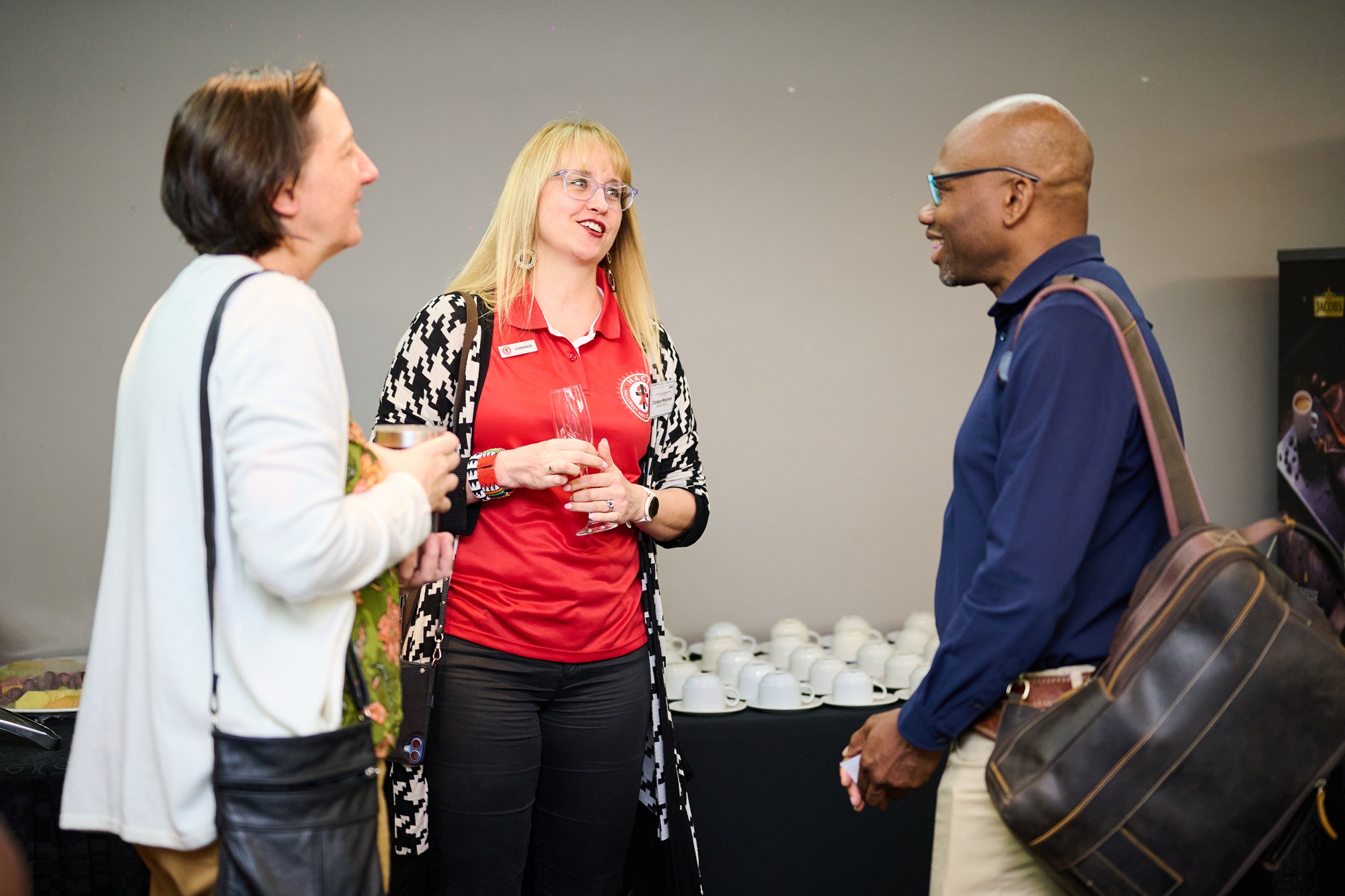
The discussions considered not only what needs to change, but who should be involved, where action is most urgent and how interventions could realistically be implemented.
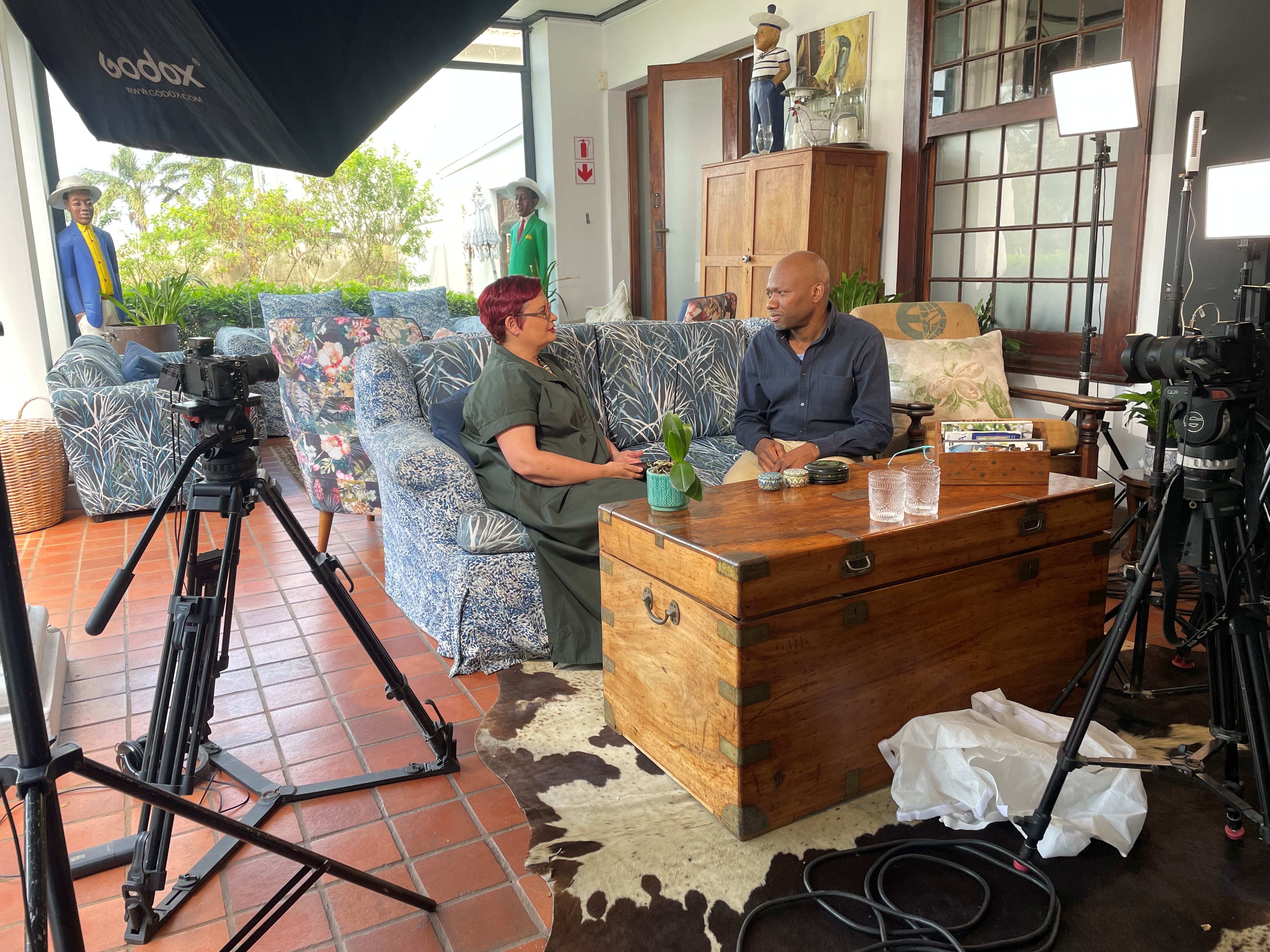
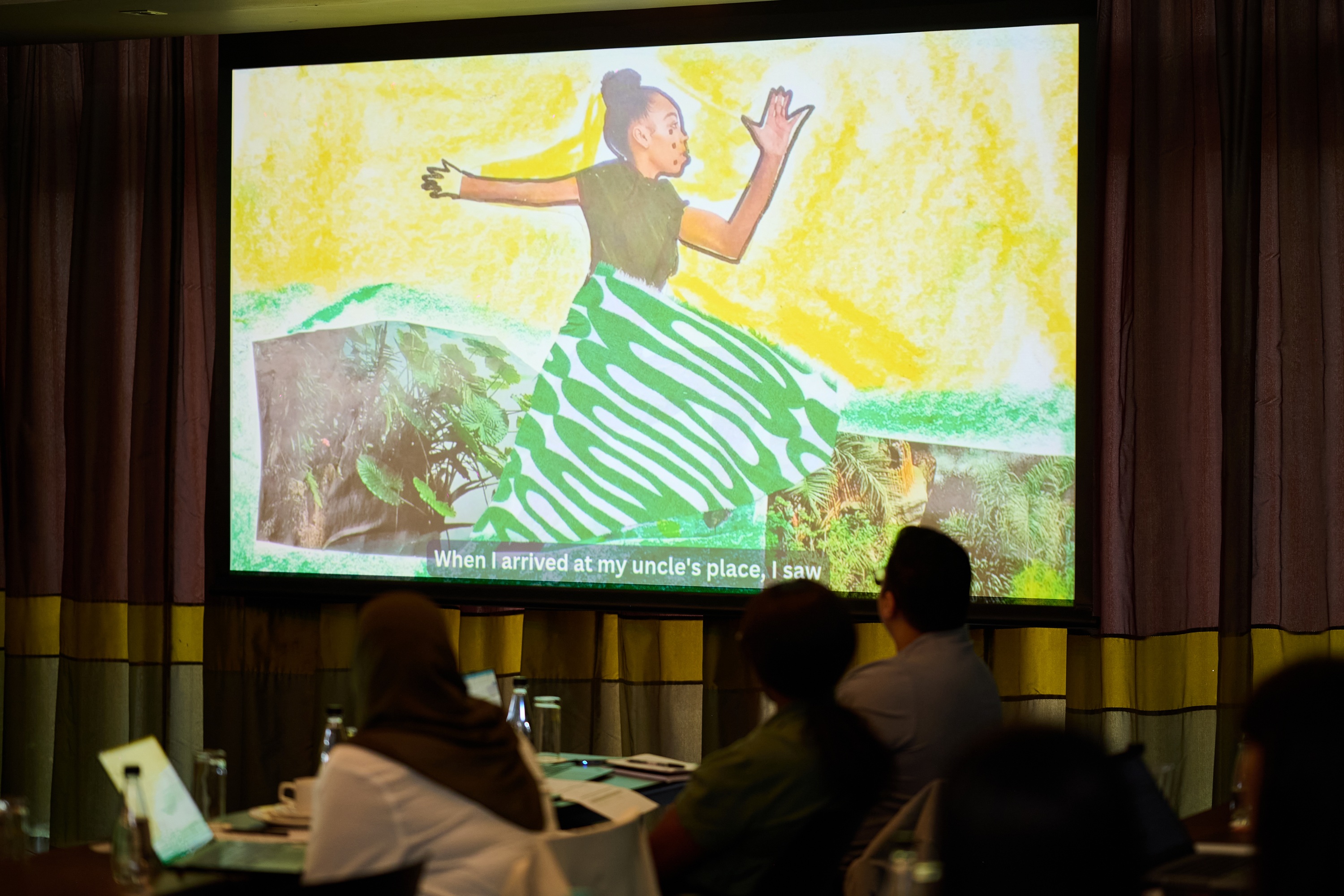
One of the most powerful moments came through the sharing of WEMA's digital stories. After watching one of the stories, Dr Tebogo Moji, Director of District Health Services in the KwaZulu-Natal Department of Health, reflected that PTSD and stress may also arise from unfulfilled promises made by councillors based in communities.
His observation highlighted how the mental health impacts of disasters can extend beyond the immediate event, shaped by people's experiences of service delivery, trust, expectations and relationships with institutions.
Dr Nikiwe Hongo, Director of Mental Health in the KwaZulu-Natal Department of Health, also commended the WEMA research and its insights into the connection between extreme weather and mental health. She noted that the study highlights the need for a more holistic government approach to disaster management.
The afternoon then moved into policy dialogue, exploring what would be required to move potential interventions towards implementation. The WEMA approach recognises that different interventions may require different forms of leadership, from community-led action, to NGO partnerships, to government-led structural interventions.
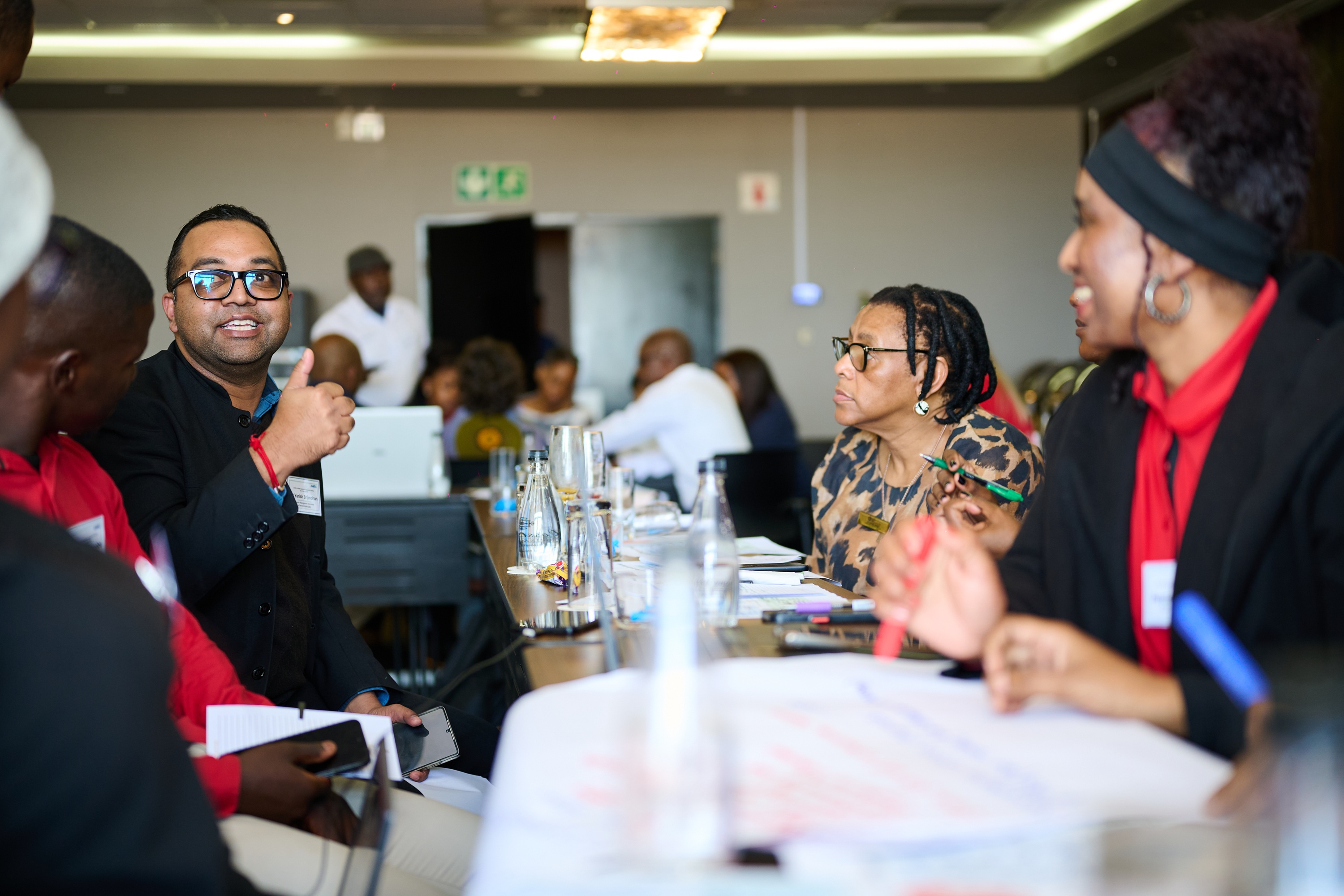
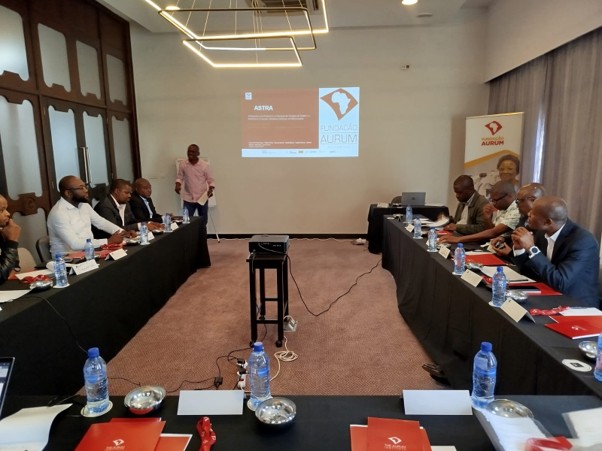
The second day turned to ASTRA, exploring how extreme weather events affect HIV and TB service delivery. Stakeholders reviewed preliminary findings from scoping interviews, broad-brush survey (BBS) work and vulnerability assessments, before reflecting on and validating the findings.
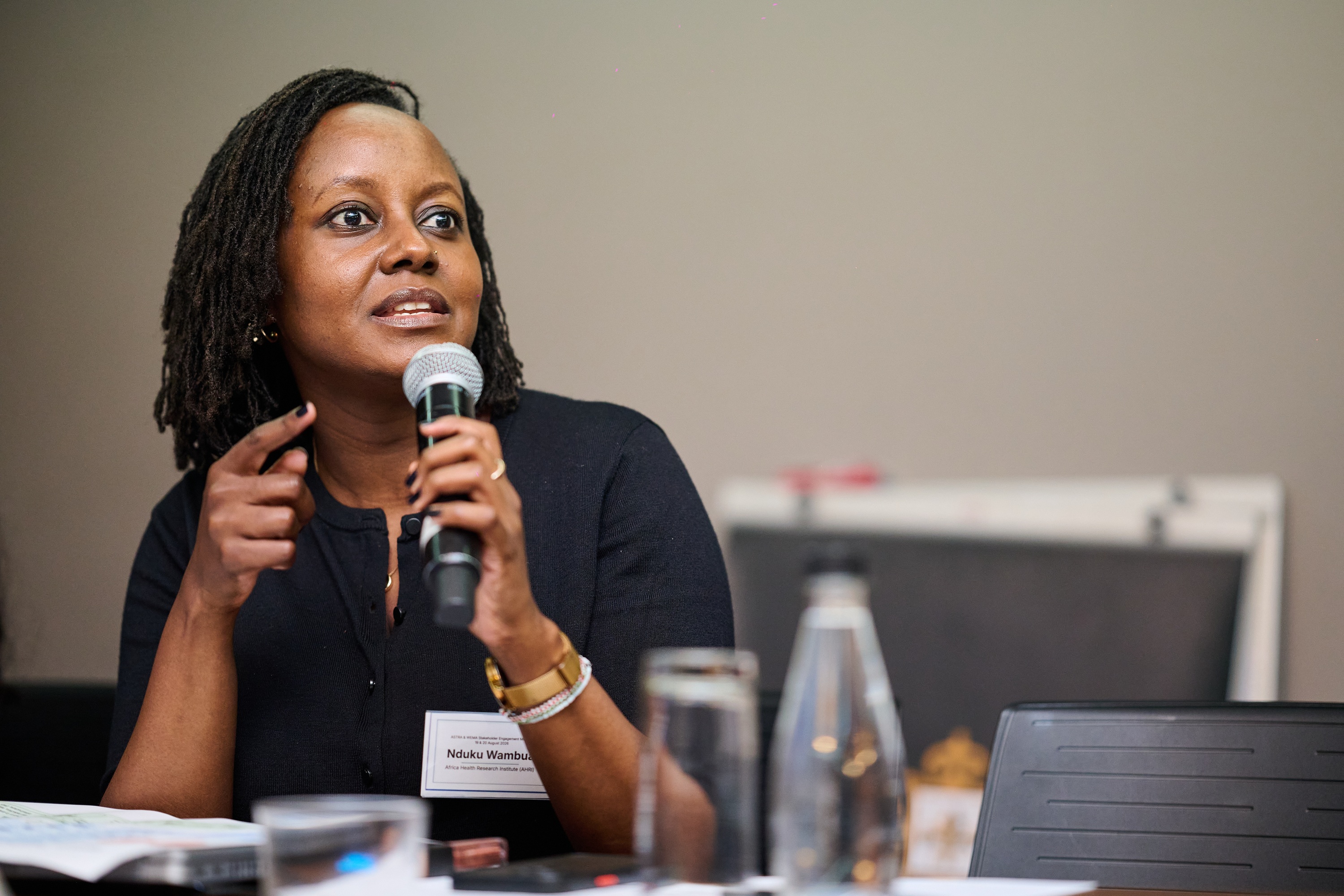
Participants then explored the current state of health service preparedness and delivery before extreme weather events, asking: What happens when extreme weather disrupts HIV and TB services? What is already working? Where are the gaps? And what interventions are needed?
Through breakout discussions and plenary feedback, participants identified challenges, existing responses and gaps before collectively prioritising potential interventions.
Bheki Mkhize of KwaZulu-Natal COGTA spoke to the importance of interventions that can work both before and after disasters, including the principle of “Build Back Better. Build Back Better means using recovery and reconstruction after a disaster as an opportunity to reduce existing vulnerabilities and strengthen resilience, rather than simply restoring systems and infrastructure to the way they were before. Mkhize also highlighted the importance of maintaining existing infrastructure, something that would not necessarily require additional funding or a separate budget, but would require stronger accountability.
His reflections reinforced an important message from the ASTRA discussions: resilience is not only about responding better when disaster strikes. It is also about preparedness, maintenance, coordination and accountability before disaster occurs.
While WEMA and ASTRA focus on different dimensions of climate and health, the two days highlighted a shared reality: extreme weather is not only an environmental challenge. It is a health, mental health, governance and community resilience challenge.
No single sector can address it alone.
The value of the engagement was in bringing different forms of knowledge into the same space, research evidence alongside lived experience, policy realities and implementation knowledge.
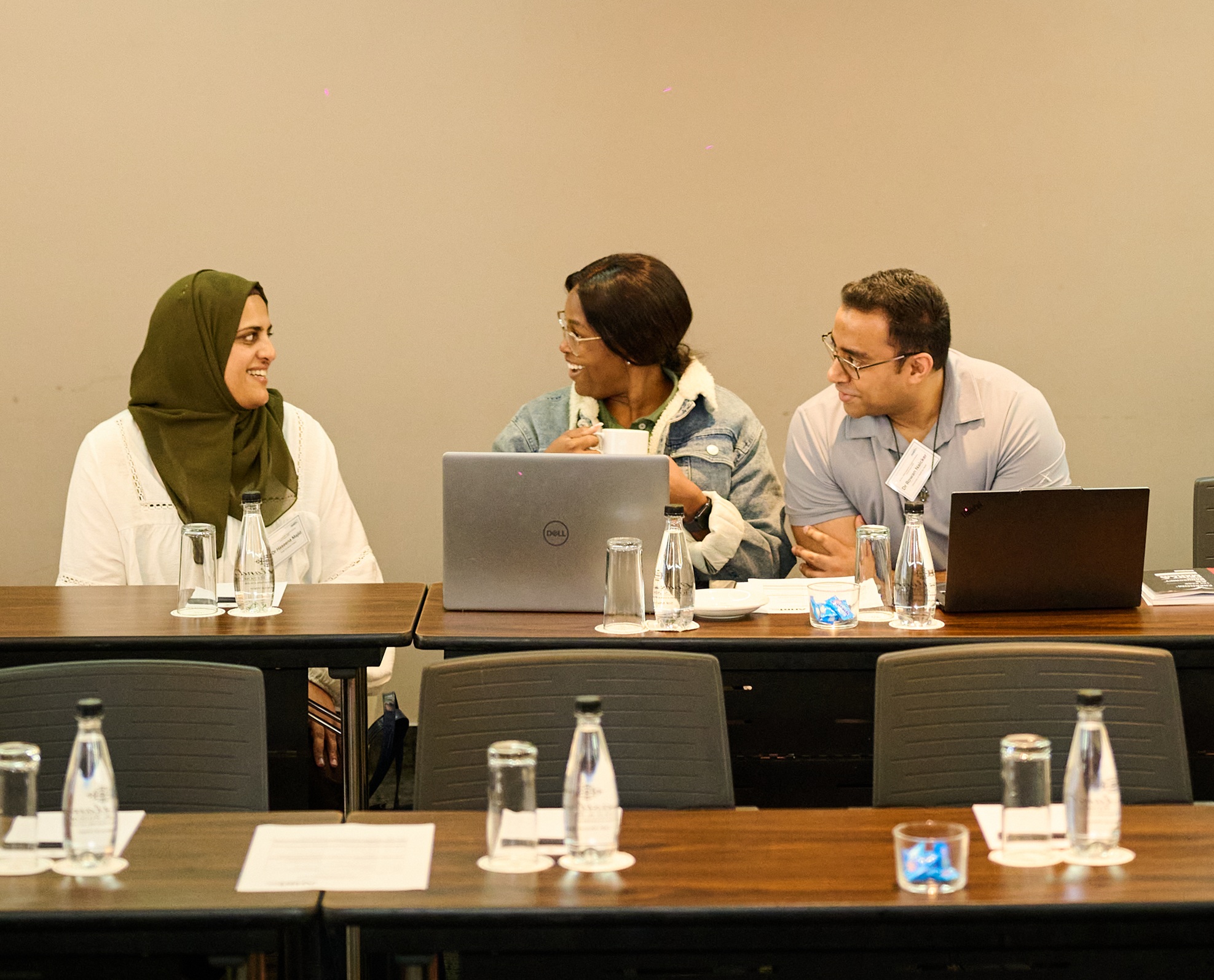
Together, participants were able to question, validate, identify gaps, prioritise interventions and begin thinking about what action could look like.
For WEMA, this contributes to the development of a multi-stakeholder strategic intervention plan and the further refinement of systems insights with stakeholder perspectives. For ASTRA, the engagement helped identify and prioritise interventions to strengthen the resilience of HIV and TB service delivery in the face of extreme weather.
Ultimately, the two days reinforced a simple but important idea: Research is not the destination. It is part of the journey towards sustainable solutions.
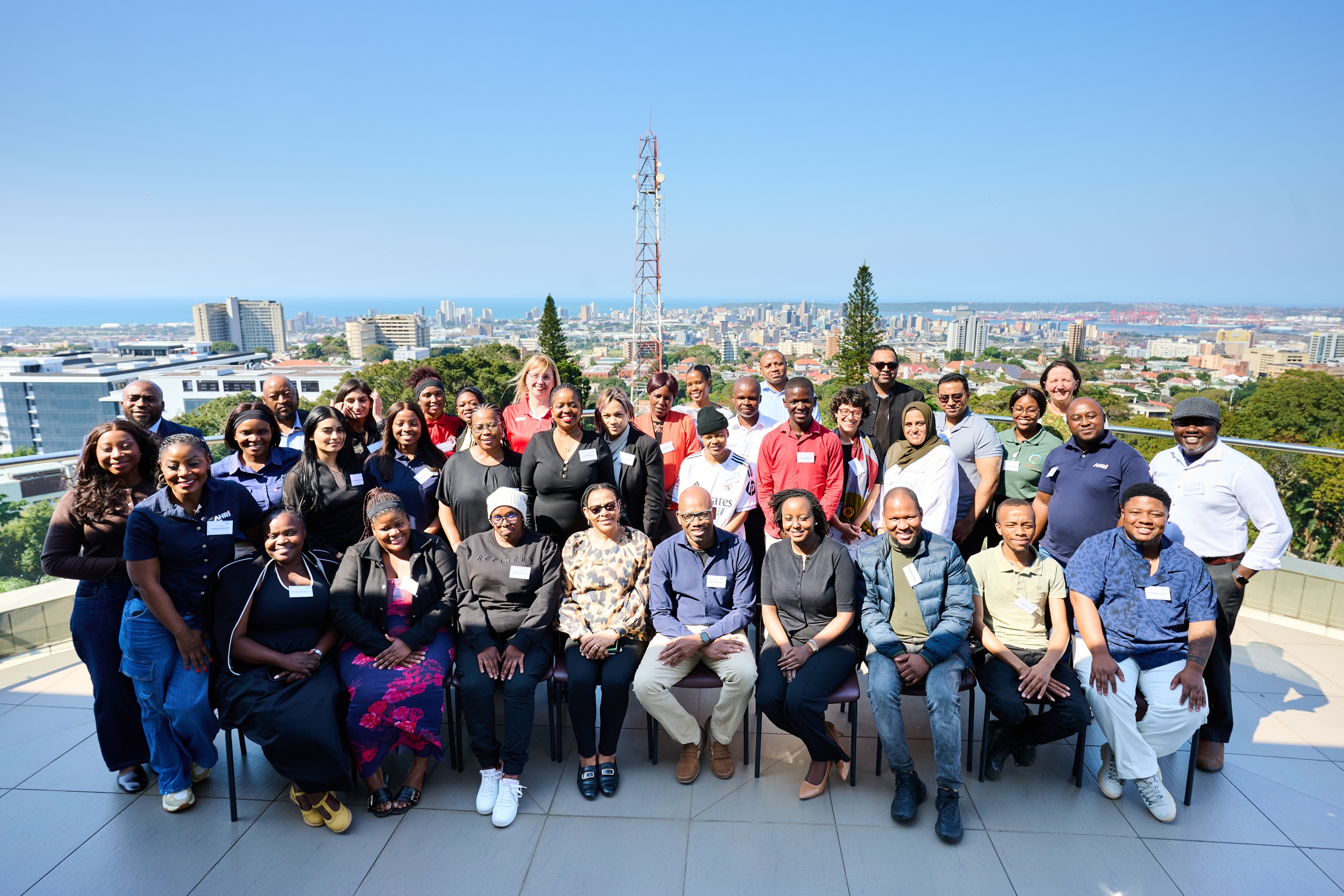
As WEMA and ASTRA continue, the priorities, insights and commitments emerging from these engagements will help inform the next stage of the work, supporting efforts to build stronger, more resilient communities and health systems in a changing climate.
Photo credit: Louis Van Rooyen of Momentography