Flooding in January and February 2026 damaged roads, bridges and other transport routes across Sofala. Some communities became isolated, making it difficult for patients to reach health facilities for HIV medication or TB consultations. Healthcare workers also struggled to reach their workplaces.
At the same time, health services were facing resource constraints, including fewer technical staff available to support screening, patient tracing and enrolment during the emergency response.
For people managing conditions such as HIV and TB, interruptions to care can have serious consequences. This makes preparedness before an emergency particularly important.
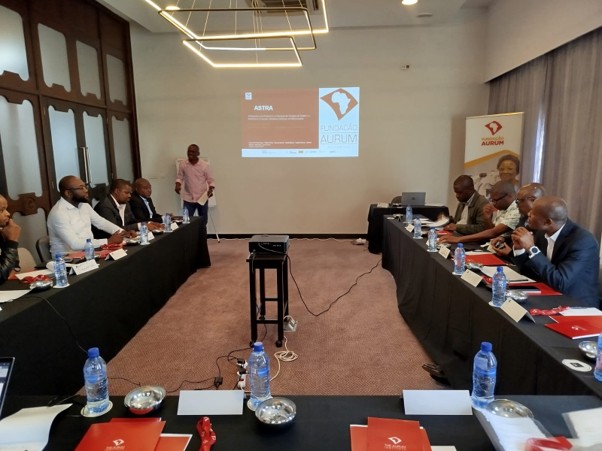
The workshop highlighted several approaches that can help keep healthcare services running during emergencies.
Emergency teams have used pre-positioned supplies and advance distribution of medicines to help maintain treatment during prolonged flooding. In some cases, people living with HIV who had documented suppressed viral loads could receive up to six months of medication at once, reducing the need to travel during periods when roads were inaccessible.
Flooding also displaced communities into temporary shelters, including schools. While these spaces provided essential protection, they created new challenges for delivering healthcare, maintaining sanitation and protecting patient privacy. The loss of physical and digital patient records further complicated continuity of care.
A resilient health system depends on more than clinics and healthcare workers.
Reliable electricity is also essential. Mozambique's Ministry of Mineral Resources and Energy is working to connect health facilities to the national grid, while remote clinics are being considered for solar power systems. This could help maintain laboratory services and the cold chain for medicines during severe weather and power disruptions.
The ASTRA workshop reinforced an important message: climate-resilient healthcare requires collaboration across sectors. Roads, electricity, water and sanitation, emergency response, schools and health services all play a role in ensuring that people can continue receiving care when extreme weather strikes.
The insights from the workshop will help inform future policy, emergency planning, healthcare delivery in temporary shelters, WASH investments and targeted energy solutions in vulnerable areas.
Preparing for climate-related health challenges means acting before the next emergency, not only responding when it arrives.
For communities in Mozambique, resilience can mean something simple but vital: being able to access the healthcare, medicines and support they need, even when extreme weather makes life unpredictable.
.jpeg)