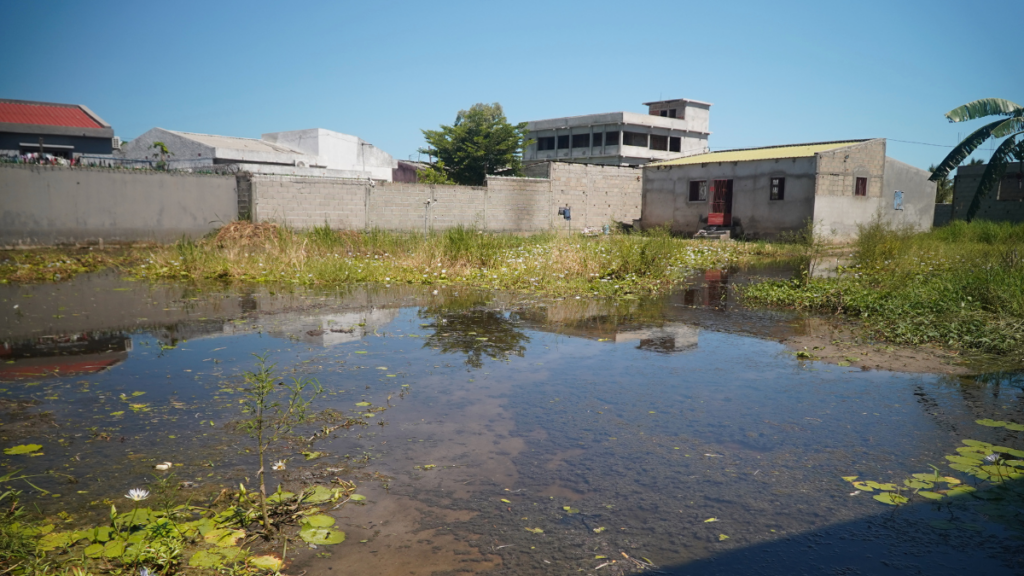


The people of Beira, Mozambique, are living with more than the physical aftermath of repeated cyclones. They are carrying a constant psychological burden. This article explores how storms do not simply end when the floodwaters recede; for many residents, the fear, uncertainty and stress linger long after the winds have passed. In a city repeatedly hit by climate disasters, daily life is shaped by the expectation that another emergency could always be around the corner.
Through personal stories, the piece shows how climate change is affecting mental health in ways that are often overlooked. Anxiety, grief, exhaustion and the strain of rebuilding again and again have become part of everyday survival. The article connects these experiences to a bigger truth: climate shocks are not only destroying homes and infrastructure, but also wearing down people’s sense of safety, stability and hope.
At once intimate and urgent, the story offers a powerful look at the human cost of living on the frontline of the climate crisis. It highlights why climate and health conversations must include mental wellbeing, especially in communities facing repeated disasters. Read the full article for a deeper understanding of what it means to live between cyclones, and why recovery is about far more than repairing what can be seen.
Read the full article: Life between cyclones: How Beira's people carry the mental weight of storms that never really end - Bhekisisa