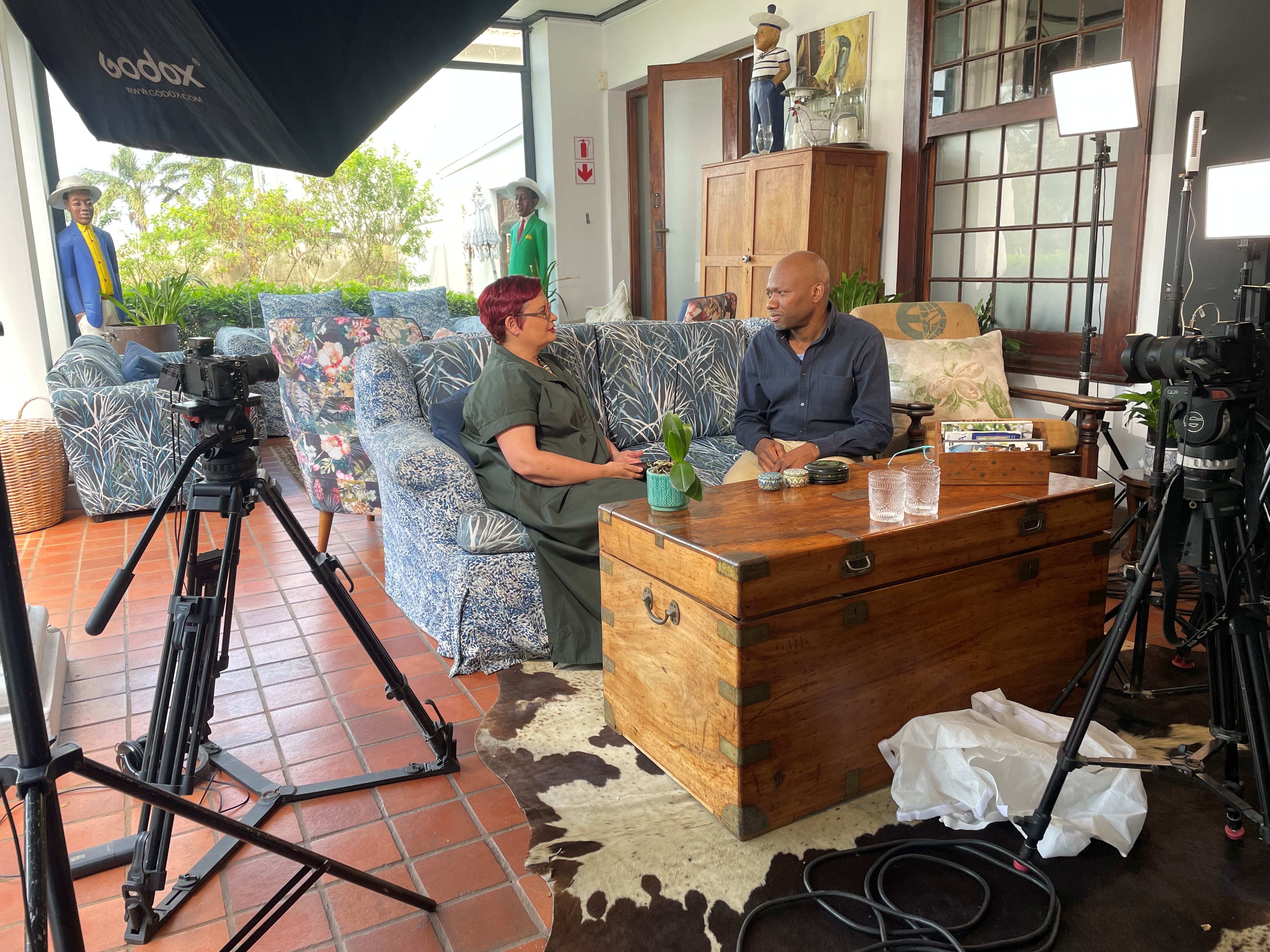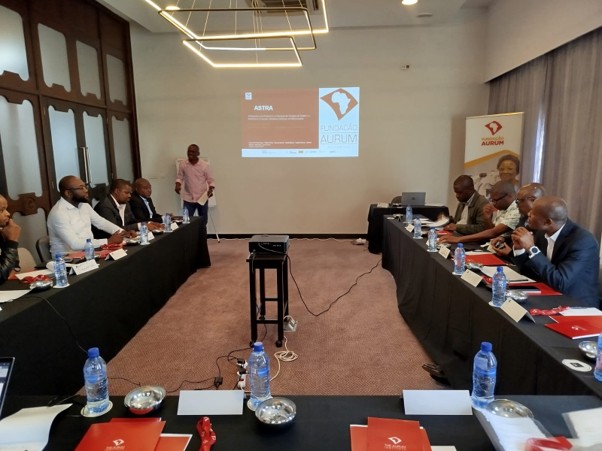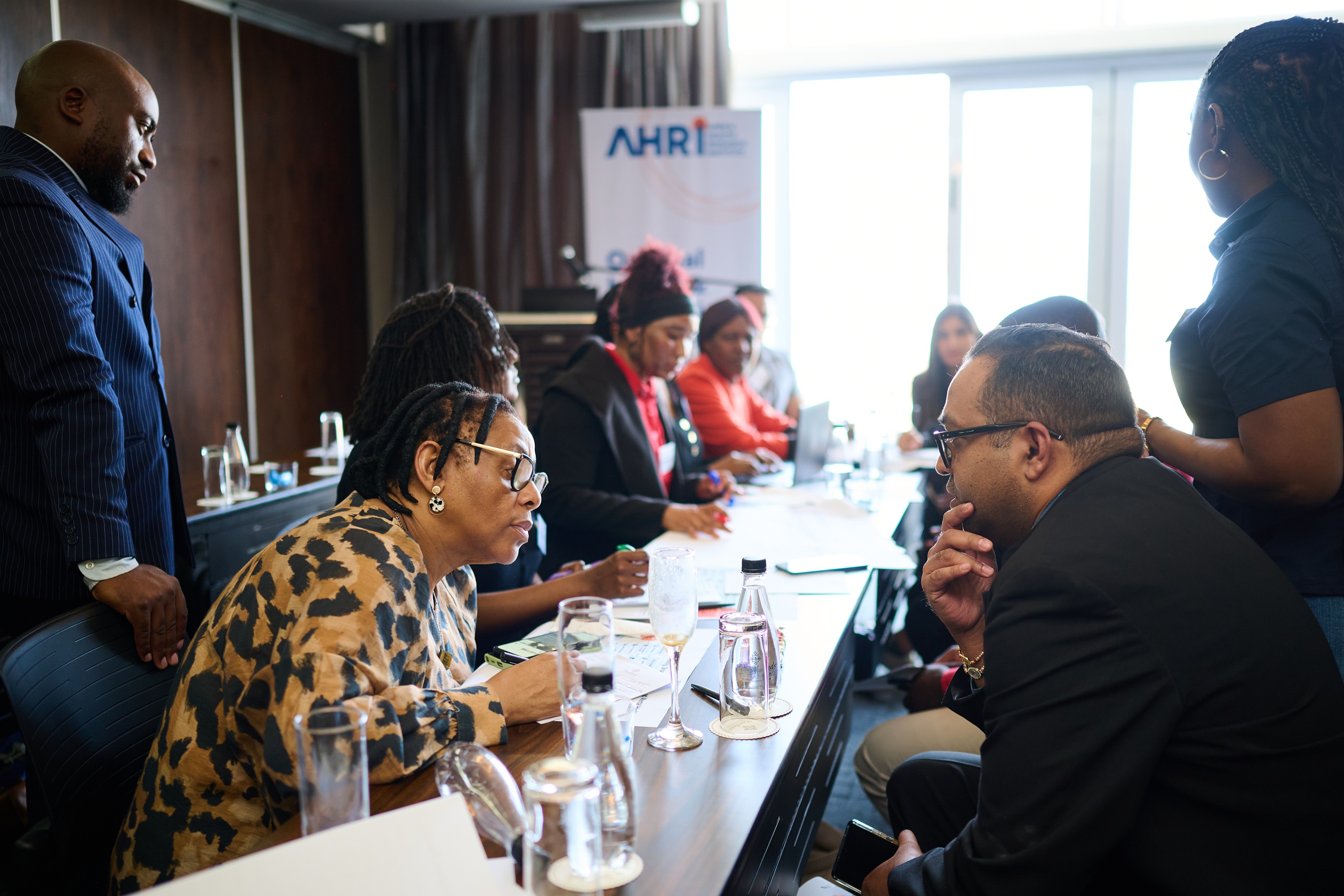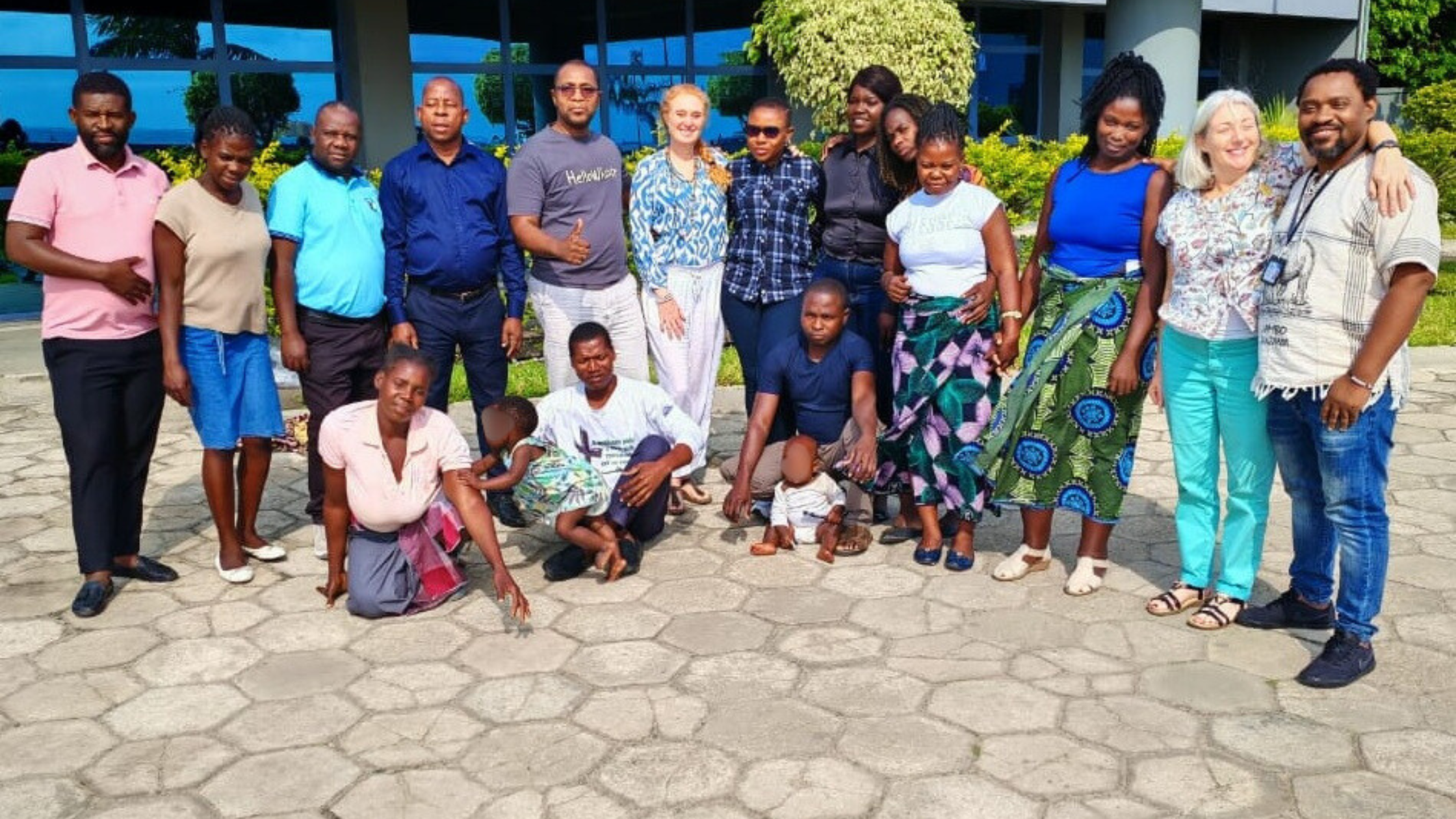


Dr Astrid Treffry-Goatley and Gill Black recently travelled to Beira, Mozambique, to facilitate a digital storytelling workshop as part of the WEMA project.
Beira, a major port city on the Indian Ocean, is on the frontline of cyclones, flooding, and severe storms, risks that are intensifying as climate change accelerates the frequency and severity of extreme weather events.
Hosted by our project partner Comité para a Saúde de Moçambique (CSM), the workshop brought together ten community-based co-researchers, many of whom were directly affected by Cyclone Idai. Several participants had been displaced and were no longer living in the city. Two were breastfeeding mothers, transforming the workshop into a multigenerational space where storytelling, caregiving, and collective support unfolded together.
The workshop was co-facilitated with Mozambican colleagues - psychiatrists, social scientists, and public health specialists - ensuring the work was conducted in Portuguese and grounded in local knowledge. This collaboration was essential, given the deeply sensitive experiences shared: loss, fear, trauma, displacement, and ongoing uncertainty. Local facilitation created an ethical, culturally responsive space in which participants could share their stories with dignity and agency.
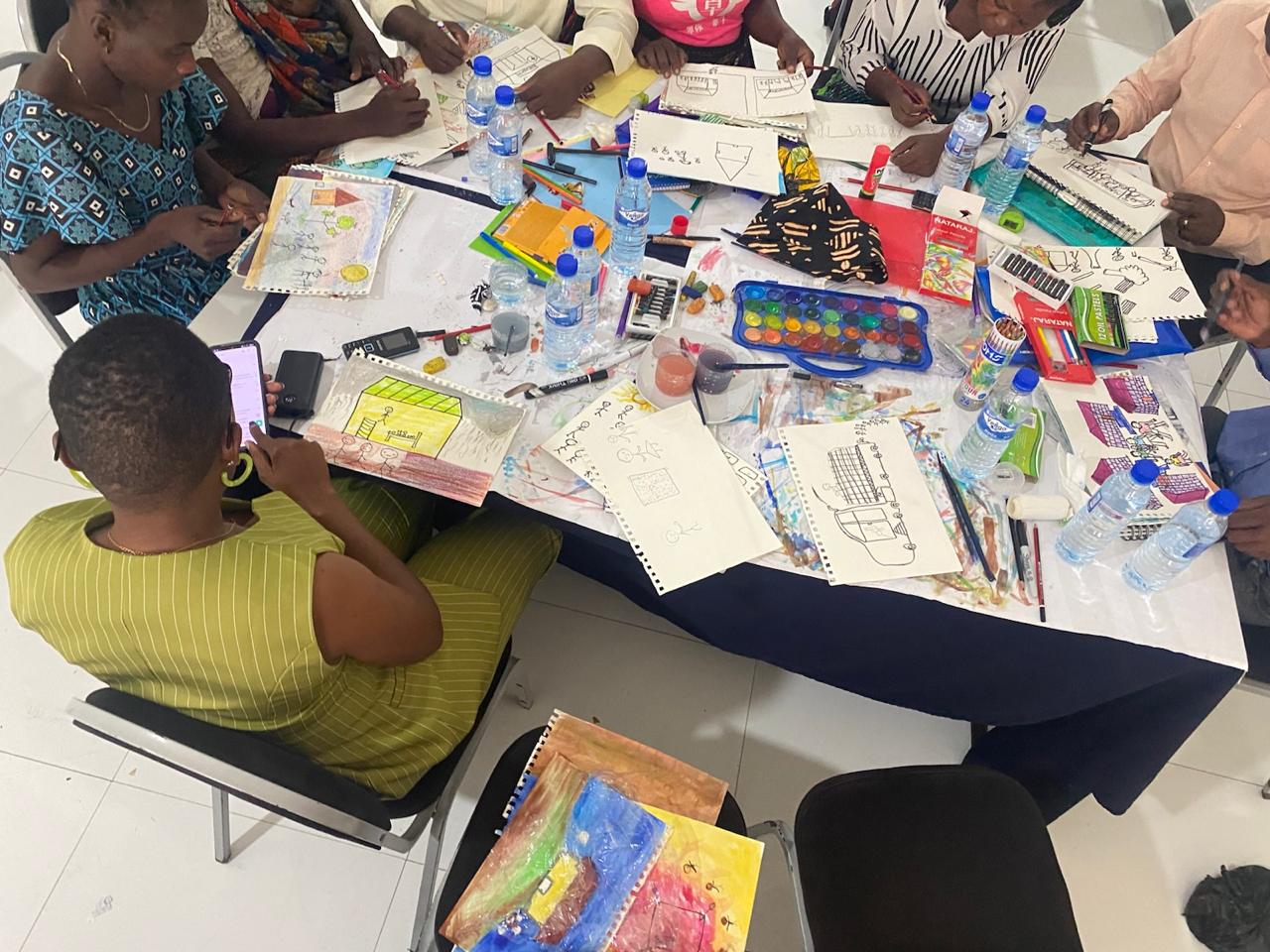
Months later, as edits and subtitles are finalised, the relevance of these stories has only intensified. With ongoing flooding currently affecting Mozambique, Mpumalanga, and Limpopo, these narratives are no longer reflections on a past disaster, they speak directly to the present.
Across the WEMA project sites, similar patterns are emerging. The stories from Beira reveal not only material loss, but enduring mental health impacts: trauma triggered by weather-related cues, chronic fear, grief, and the strain of displacement and caregiving. Together, they point to a critical gap in climate responses, the need to integrate psychosocial support, gender-sensitive approaches, and long-term, community-based mental health care into climate resilience planning.
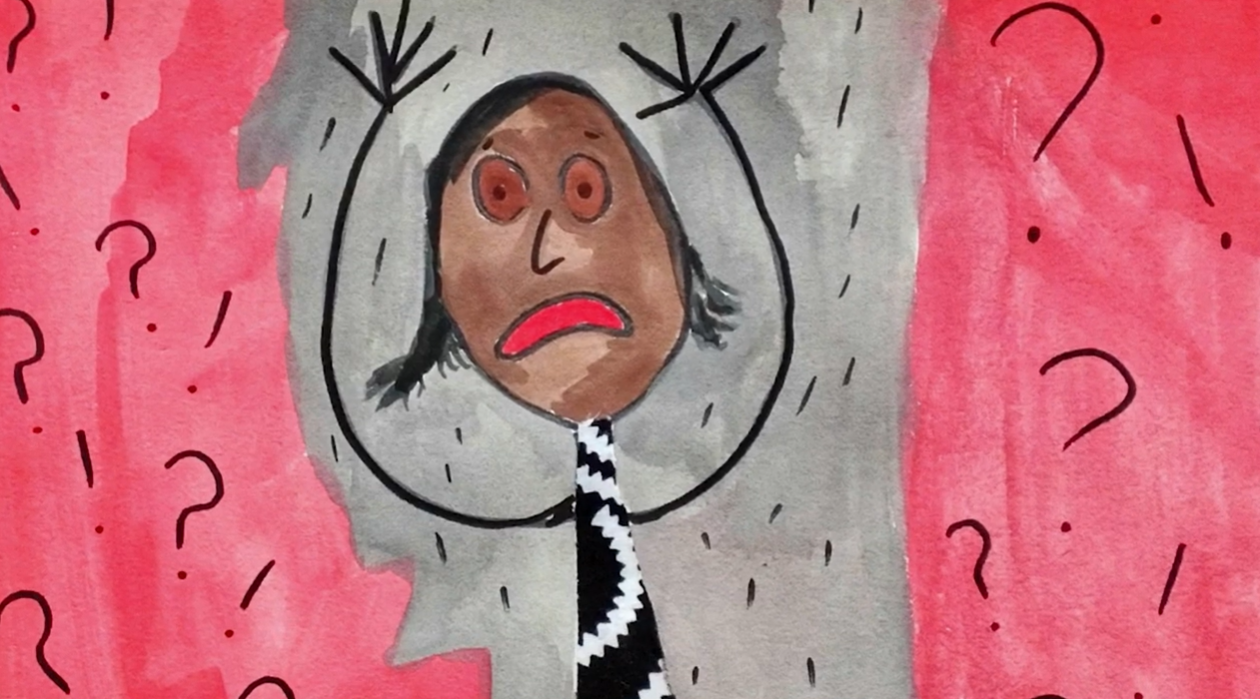
As extreme weather events become more frequent across the African continent, the WEMA project demonstrates the power of participatory digital storytelling to centre lived experience and generate knowledge that is both ethically grounded and socially urgent.
Watch the Mozambique digital stories on our YouTube channel here