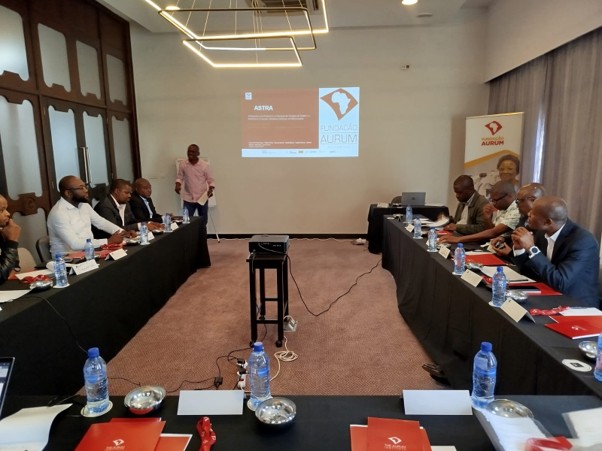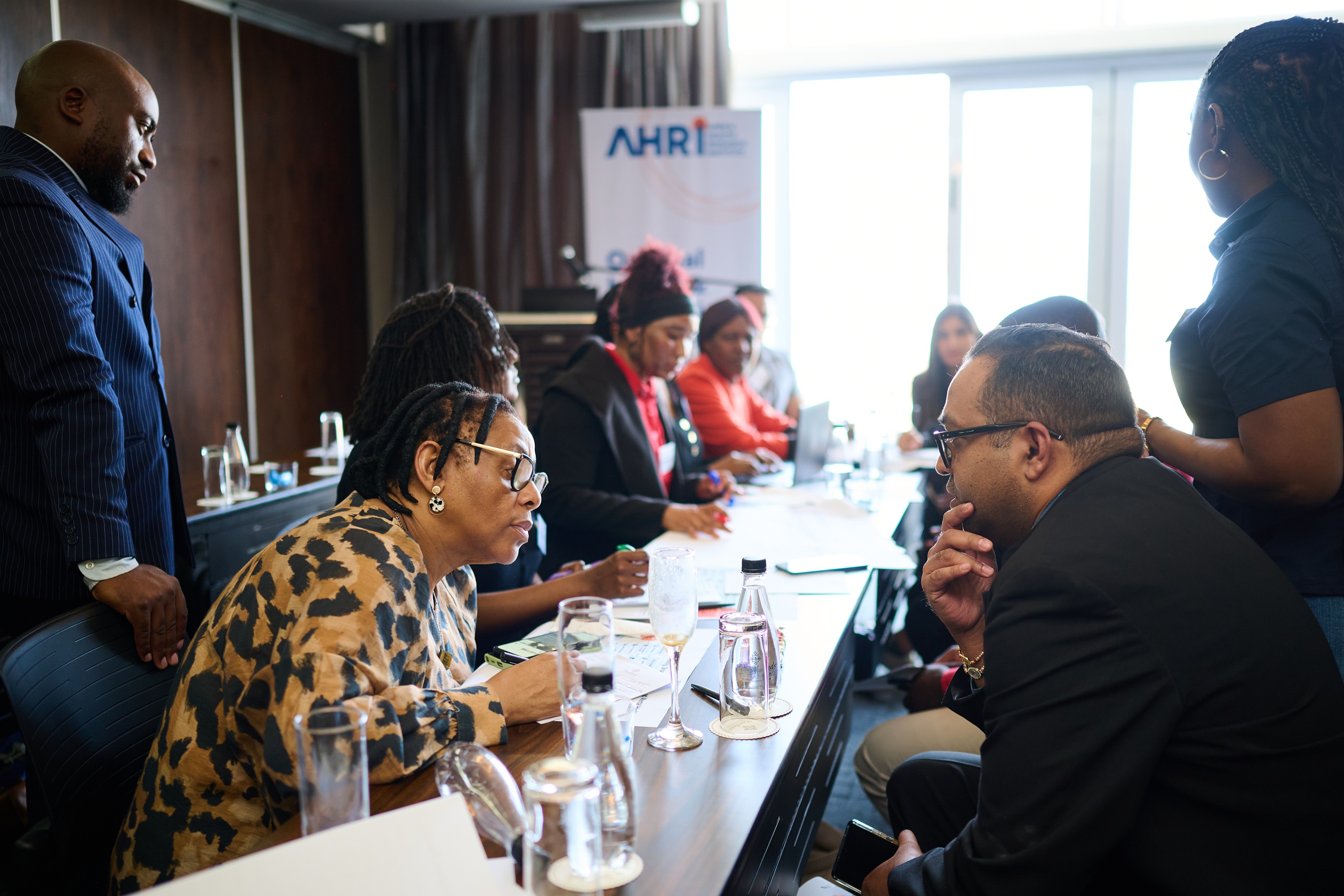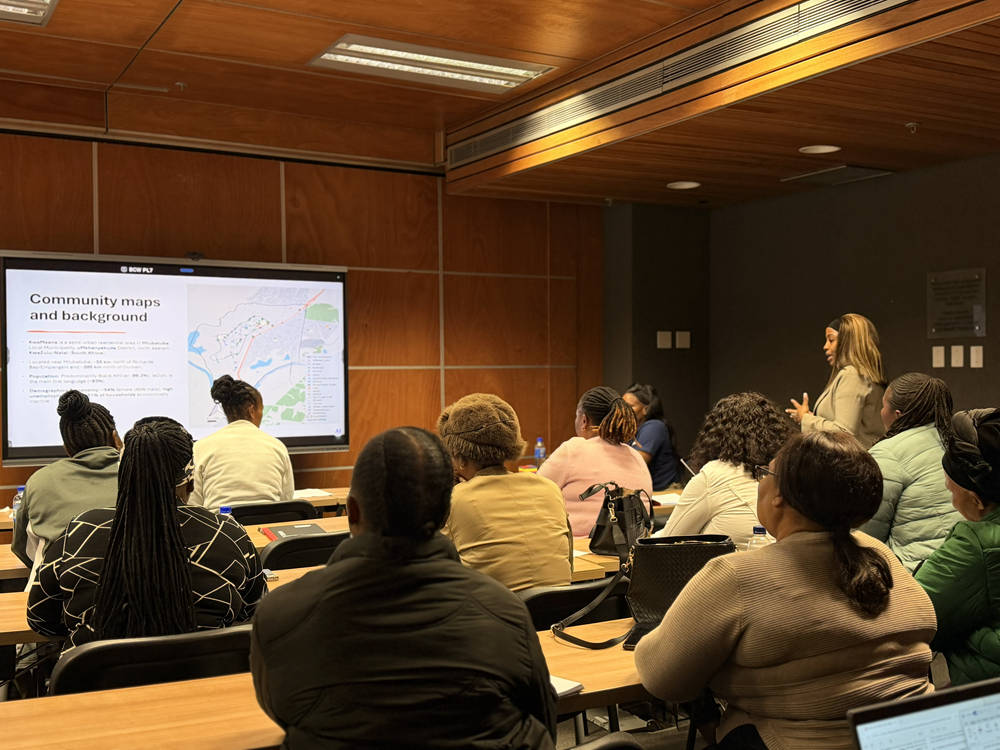


On 11 June 2026, the ASTRA study team hosted a community stakeholder workshop at the African Health Research Institute’s (AHRI) Durban Campus. The workshop brought together community members and stakeholders to discuss how extreme weather events (EWEs), such as floods, storms and droughts, affect access to healthcare and the continuity of HIV and TB care.
The meeting formed part of the ASTRA study which focuses on understanding how climate-related shocks impact health systems and communities, and how healthcare delivery can be strengthened in response.
The main objective of the workshop was to listen to community and stakeholder perspectives on the real-life impacts of EWEs. The ASTRA team wanted to better understand what happens when people are unable to reach clinics, collect medication, attend appointments or receive follow-up care during and after weather-related disruptions.
The workshop also gave participants an opportunity to reflect on early ASTRA findings and share whether these findings matched their lived experiences. Through open discussion, group work and prioritisation activities, participants helped identify the most pressing challenges facing communities and suggested practical ways these could be addressed.
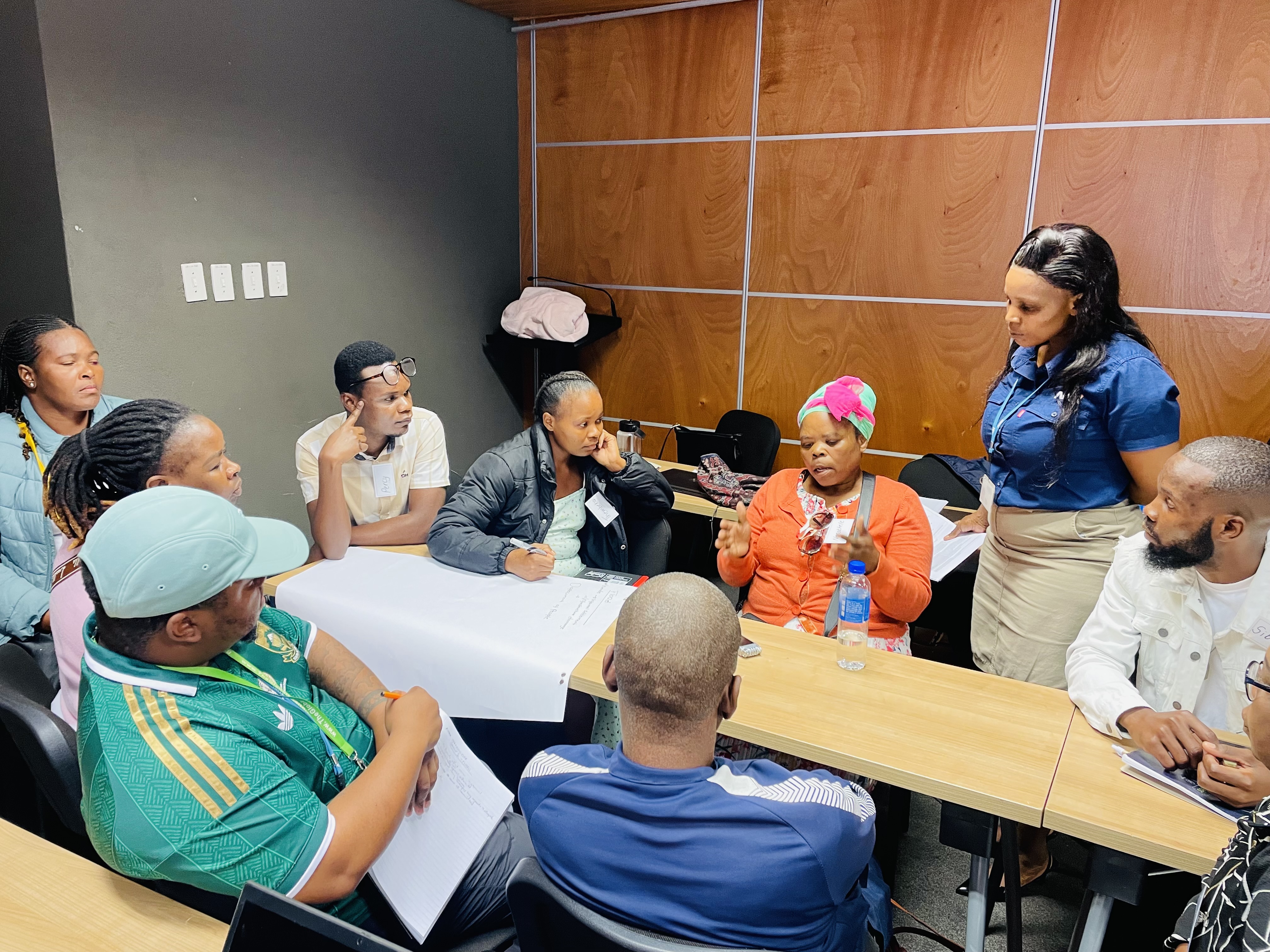
The workshop was attended by community stakeholders, community health workers, clinic-linked participants, local organisation representatives and other community-based stakeholders. Project staff from AHRI and GroundWork were also present to support facilitation, documentation and technical discussions. Participants represented a range of communities, including Inanda, Cato Manor, KwaMsane, Somkhele and Hlabisa. The workshop was conducted in both English and isiZulu, which helped create a more inclusive space for participants to share openly and comfortably.
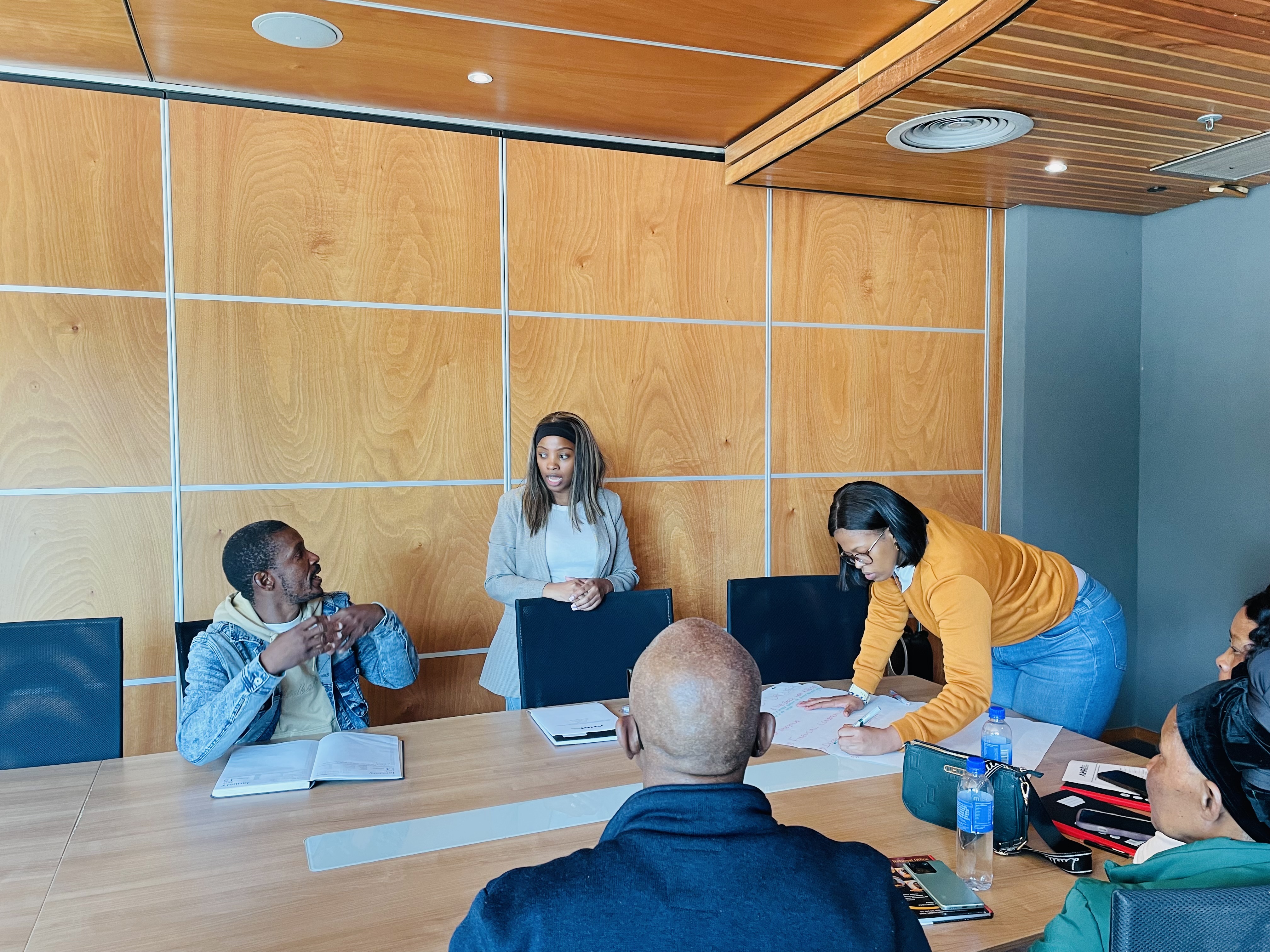
A key theme from the workshop was that EWEs do not only damage roads, homes and infrastructure. They also disrupt people’s ability to access healthcare, stay on treatment and maintain their overall wellbeing. Participants spoke about how floods can make roads inaccessible, delay ambulances, damage homes, displace families and interrupt routine healthcare appointments. In areas such as Inanda, the lasting effects of the 2022 floods were still being felt by some communities.
Storms were linked to damaged homes, injuries, electricity and network failures, safety concerns and increased pressure on community health workers. Participants also raised the mental and emotional strain that follows disasters, including trauma, anxiety and depression.
One of the strongest messages from the workshop was that infrastructure is central to healthcare access. When roads are damaged, bridges collapse or routes are flooded, medication may still be available, but people may not be able to reach it. Community health workers may also struggle to reach households that need follow-up and support.
Participants also raised concerns about disease outbreaks, poverty, treatment interruptions, crime, stock-outs of medication and limited disaster preparedness. Mental health was another important issue, with participants noting that support in this area is often missing from emergency response plans.
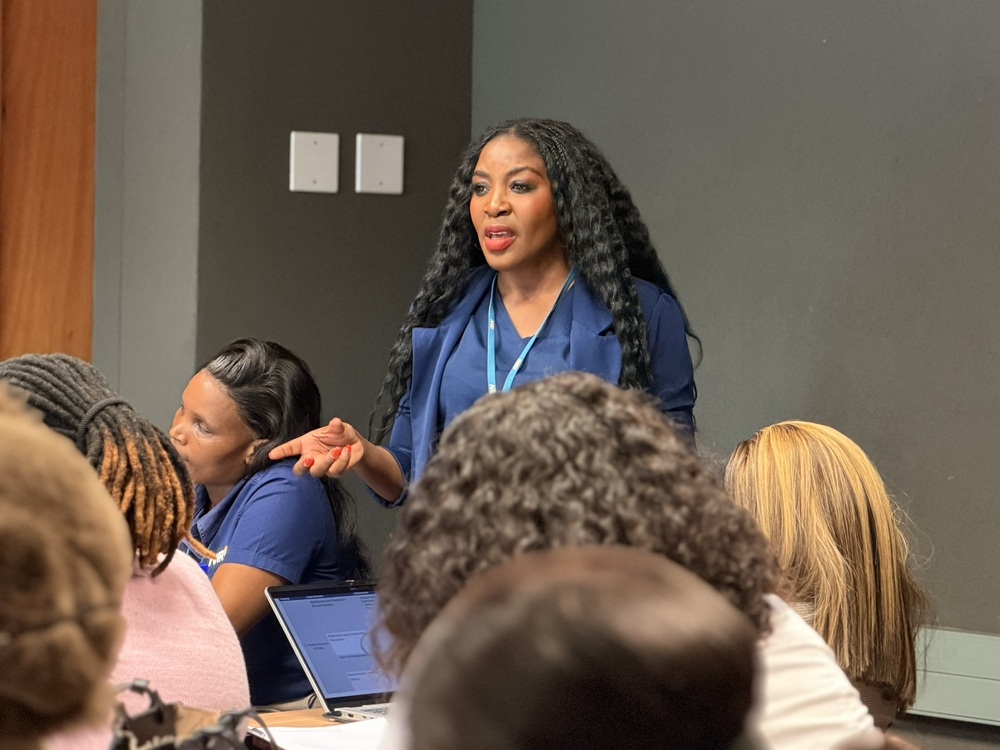
The workshop is an important step in the broader ASTRA study because it brings community experience into the research process. While scientific data and health system assessments are important, the voices of people living and working in affected communities help show what these challenges look like in everyday life.
The information shared during the workshop will help the ASTRA team better understand how EWEs affect HIV and TB care, healthcare delivery, livelihoods and community wellbeing. It will also help ensure that future recommendations are grounded in local realities rather than being developed from research findings alone.
This engagement will contribute to the next stages of the study, including further prioritisation, consensus-building and intervention development. In this way, the workshop helps connect research evidence with practical community knowledge.
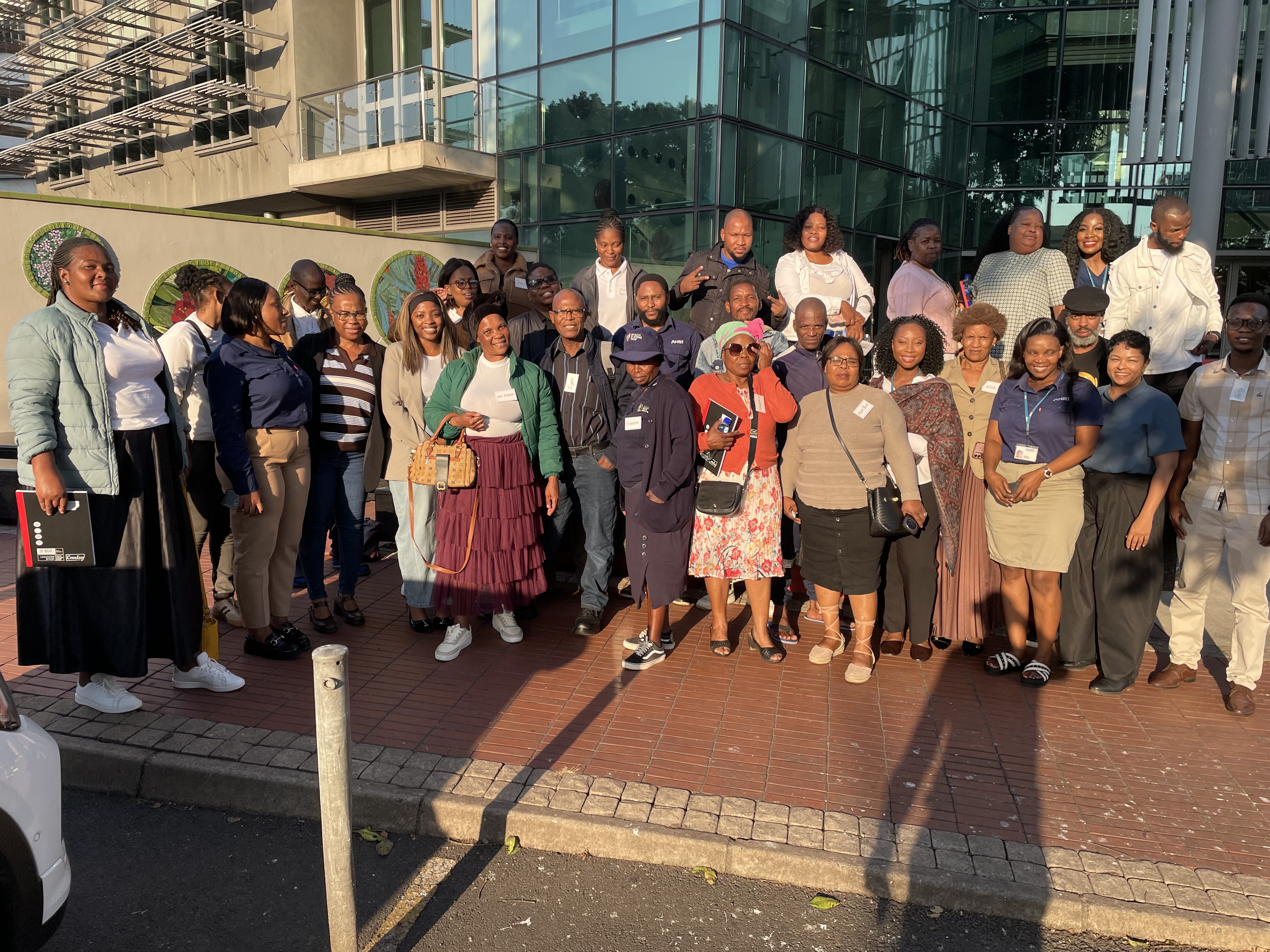
The insights gathered during the workshop will be reviewed and used to inform the next phases of the ASTRA study. This includes identifying priority challenges, refining potential adaptation strategies and supporting the development of practical responses that can strengthen healthcare delivery during EWEs.
The workshop also highlighted the value of existing community support systems, including churches, community halls, local leaders, community health workers and informal networks that often step in when formal systems are under pressure.
By placing community voices at the centre of the discussion, the ASTRA study is working towards solutions that are not only evidence-based, but also practical, locally informed and responsive to the needs of those most affected by extreme weather events.
Through this engagement, communities are helping shape the future of climate-resilient healthcare delivery in South Africa.